
Categories
Respiratory System
Item #2
- List Item #1
- List Item #2
- List Item #3
Item #3
- List Item #1
- List Item #2
- List Item #3
Item #3
- List Item #1
- List Item #2
- List Item #3
Item #3
- List Item #1
- List Item #2
- List Item #3
Item #3
- List Item #1
- List Item #2
- List Item #3
Item #3
- List Item #1
- List Item #2
- List Item #3
Item #3
- List Item #1
- List Item #2
- List Item #3
Item #3
- List Item #1
- List Item #2
- List Item #3
Item #3
- List Item #1
- List Item #2
- List Item #3
Item #3
- List Item #1
- List Item #2
- List Item #3
Item #3
- List Item #1
- List Item #2
- List Item #3
Item #3
- List Item #1
- List Item #2
- List Item #3
Item #3
- List Item #1
- List Item #2
- List Item #3
Item #3
- List Item #1
- List Item #2
- List Item #3
Item #3
- List Item #1
- List Item #2
- List Item #3
Item #3
- List Item #1
- List Item #2
- List Item #3
More results...
Categories
Respiratory System
- Cough & Cold
- Asthma & Prophylaxis
- Respiratory Stimulants
Item #2
- List Item #1
- List Item #2
- List Item #3
Item #3
- List Item #1
- List Item #2
- List Item #3
Item #3
- List Item #1
- List Item #2
- List Item #3
Item #3
- List Item #1
- List Item #2
- List Item #3
Item #3
- List Item #1
- List Item #2
- List Item #3
Item #3
- List Item #1
- List Item #2
- List Item #3
Item #3
- List Item #1
- List Item #2
- List Item #3
Item #3
- List Item #1
- List Item #2
- List Item #3
Item #3
- List Item #1
- List Item #2
- List Item #3
Item #3
- List Item #1
- List Item #2
- List Item #3
Item #3
- List Item #1
- List Item #2
- List Item #3
Item #3
- List Item #1
- List Item #2
- List Item #3
Item #3
- List Item #1
- List Item #2
- List Item #3
Item #3
- List Item #1
- List Item #2
- List Item #3
Item #3
- List Item #1
- List Item #2
- List Item #3
Item #3
- List Item #1
- List Item #2
- List Item #3

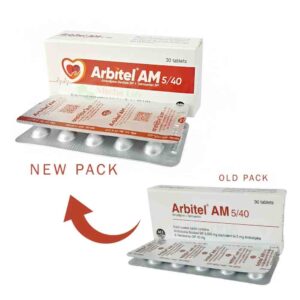


Reviews
There are no reviews yet.