Description
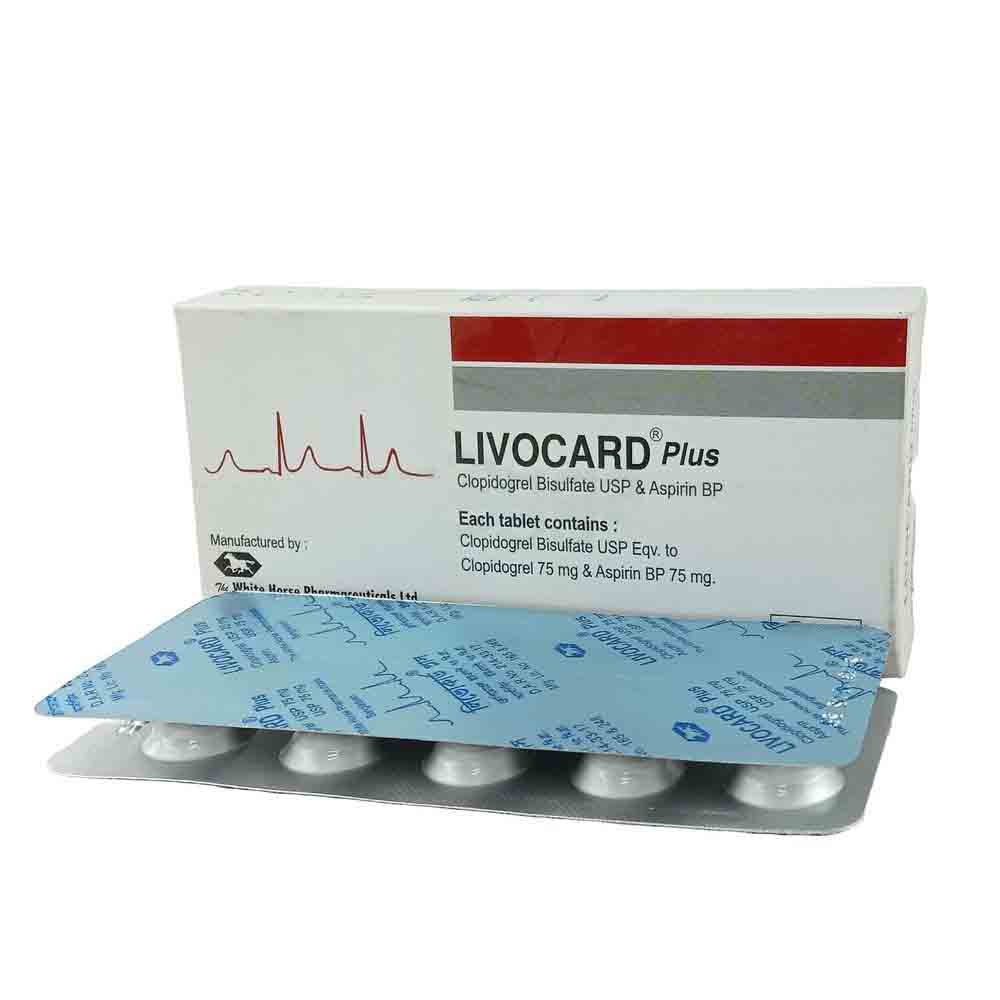
Medicine Overview: Livocard PLUS 75 mg + 75 mg Tablet
Introduction
Livocard PLUS is a combination of two antiplatelet medicines (blood thinners) used to reduce the formation of harmful blood clots in the blood vessels. It helps in the prevention of heart attack and stroke, especially in patients with existing heart disease.
This medicine should be taken regularly with food at a fixed time each day, as prescribed by the doctor. Taking it at the same time daily helps maintain consistent blood levels and improves treatment effectiveness. The dose and duration of therapy depend on the medical condition being treated.
Do not stop taking this medicine without consulting your doctor, even if you feel better. Lifestyle modifications such as a low-fat diet, regular exercise, and avoiding smoking can enhance the effectiveness of this medicine.
Common side effects may include abdominal pain, indigestion, bruising, and nosebleeds. Since this medicine increases the risk of bleeding, extra caution is advised while shaving, cutting nails, or using sharp objects. Alcohol intake should generally be avoided.
Inform your doctor if you have liver or kidney disease, or if you are pregnant, planning pregnancy, or breastfeeding. Also, let your healthcare provider know about all other medicines you are taking to avoid possible interactions.
Uses of Livocard PLUS
-
Prevention of heart attack
-
Prevention of stroke
Side Effects of Livocard PLUS
Common
-
Abdominal pain
-
Bruising
-
Diarrhoea
-
Gastrointestinal bleeding
-
Increased bleeding tendency
-
Nosebleeds
How to Use Livocard PLUS
Take this medicine in the dose and duration advised by your doctor. Swallow the tablet whole with food. Do not chew, crush, or break the tablet.
How Livocard PLUS Works
Livocard PLUS contains two antiplatelet agents, aspirin and clopidogrel. These medicines prevent platelets from sticking together, thereby reducing the formation of blood clots and lowering the risk of heart attack and stroke.
Quick Tips
-
Prescribed to reduce the risk of heart attack and stroke
-
Always take with food to avoid stomach upset
-
Increases bleeding risk—use caution with sharp objects
-
Inform your doctor before any surgical or dental procedure
Brief Description
Indications
-
Prevention of ischaemic events
-
Acute coronary syndrome
Dosage:
Each tablet contains clopidogrel 75 mg and aspirin 75 mg.
-
Usual dose: 1 tablet once daily
-
Acute coronary syndrome: Loading dose of 4 tablets, followed by 1 tablet daily
-
Severe hepatic impairment: Use is not recommended
Administration & Drug Interactions
Aspirin may increase the risk of gastrointestinal ulceration when used with corticosteroids, phenylbutazone, or oxyphenbutazone. Both aspirin and clopidogrel increase the risk of bleeding when combined with anticoagulants, NSAIDs, LMWH, heparin, gingko biloba, or similar agents. Concomitant use with dabigatran may significantly increase bleeding risk.
Warnings & Precautions
Use with caution in patients with a history of peptic ulcer disease, dyspepsia, asthma, allergic conditions, uncontrolled hypertension, renal or hepatic impairment, and in elderly patients. Discontinue clopidogrel 7–10 days prior to elective surgery if antiplatelet effect is not required.
Renal Impairment
Avoid use in patients with creatinine clearance (CrCl) less than 10 ml/min.
Contraindications
-
Hypersensitivity to aspirin, NSAIDs, or clopidogrel
-
Active peptic ulcer disease
-
Bleeding disorders
-
Severe renal or hepatic impairment
-
Children under 12 years
-
Lactation
Pregnancy Category & Safety Note
Aspirin may cause gastrointestinal irritation, prolonged bleeding time, tinnitus, and, rarely, serious complications such as gastric bleeding or Reye’s syndrome in children. Clopidogrel may cause gastrointestinal discomfort, bleeding, skin reactions, and rare but serious blood disorders including intracranial haemorrhage.


Reviews
There are no reviews yet.